
Concrete Cancer Repair
Diagnosis, repair and long-term protection for concrete cancer — serving Sydney buildings, with specialist coastal expertise on the Northern Beaches
Built On Experience.
Driven By Quality.

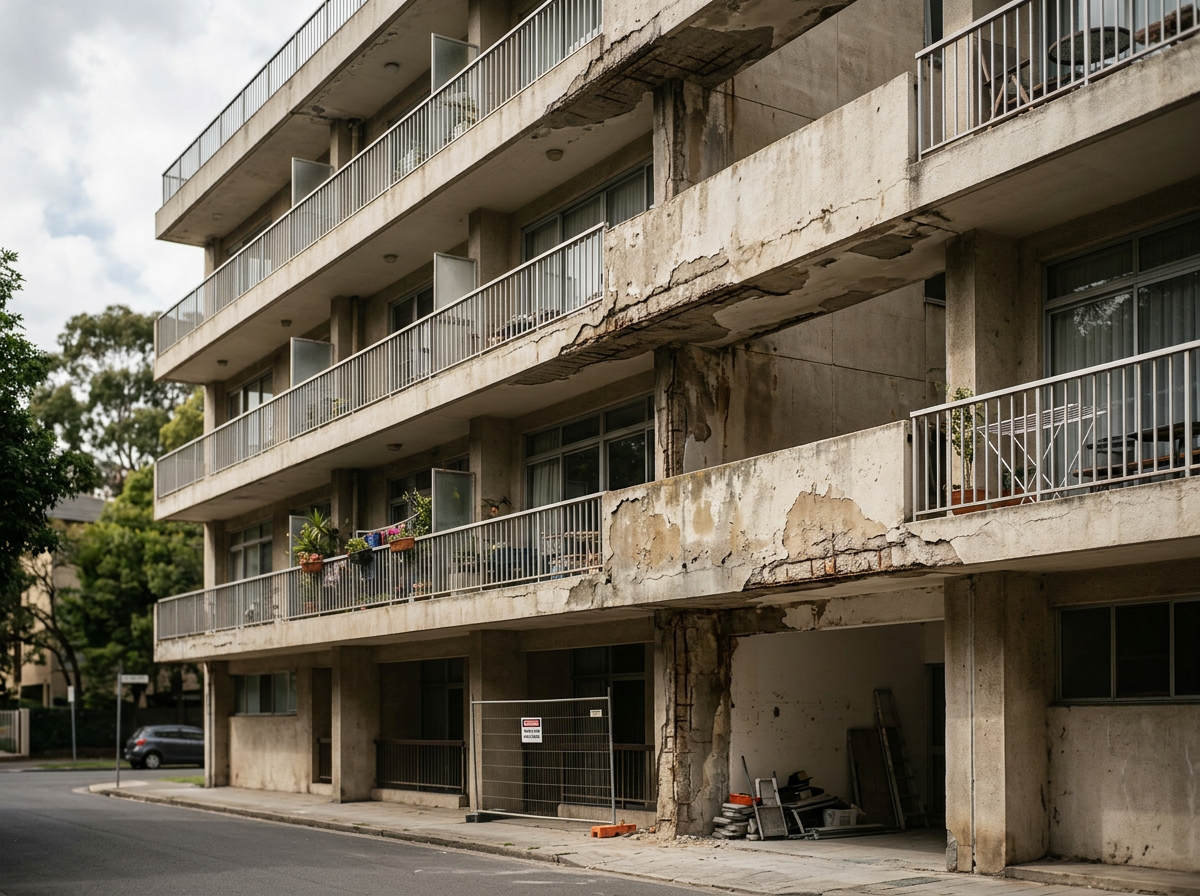
Concrete cancer — also known as concrete spalling — is a corrosion process where embedded steel reinforcement rusts, expands, and cracks the surrounding concrete from the inside out. Left untreated, it spreads, weakens structural integrity, and gets more expensive to fix every year it's ignored.
If you've spotted rust stains, bubbling render, or crumbling concrete on a balcony, façade, or car park, you're likely looking at concrete cancer — and the sooner it's diagnosed, the cheaper and less invasive the repair.
Signs & Symptoms
Concrete cancer doesn't always announce itself early. Common warning signs include:
Rust-coloured stains bleeding through concrete or render
Bubbling, flaking, or delaminating ("drummy") concrete that sounds hollow when tapped
Visible cracking, especially along steel reinforcement lines
Crumbling or spalling concrete edges, particularly on balconies and car parks
Efflorescence (white, powdery mineral deposits) alongside cracking
If any of these sound familiar, it's worth getting a professional inspection before the damage spreads further.
Corrosion from water ingress: moisture reaches the steel reinforcement through cracks, failed waterproofing or porous concrete. The steel rusts, expands and causes cracking and spalling of the surrounding concrete.
Corrosion associated with magnesite and water: old magnesite flooring can retain moisture and may contain chlorides. When it becomes wet, it can create a more aggressive corrosive environment, allowing chlorides and moisture to reach the reinforcement and accelerate rusting.
Why Sydney Buildings Are Especially Prone
We repair concrete cancer across Sydney, with particular expertise in coastal buildings. Salt-laden air, chloride exposure, and carbonation dramatically accelerate steel corrosion — which is why buildings on the Northern Beaches and other coastal pockets of Sydney often show concrete cancer years earlier than inland properties. Older buildings, and those with insufficient concrete cover over reinforcement, are also at higher risk regardless of location.
Our Repair Process
Inspection & testing — we identify and estimate the extent of corrosion and delamination, including areas not yet visible on the surface
Breaking out affected concrete — damaged, drummy, or contaminated concrete is carefully removed back to sound material
Treating corroded steel — exposed reinforcement is cleaned, treated, where necessary fitted with sacrificial anodes to prevent future corrosion and reinforcement replacement.
Patch repair — the area is rebuilt using appropriate structural repair mortars
Protective anti-carbonation coating — a final protective coating is applied to slow future carbonation and extend the repair's lifespan
Concrete Cancer FAQ
-
Left untreated, concrete cancer can compromise structural integrity over time, particularly on balconies and load-bearing elements. It should be assessed and repaired promptly once identified.
-
Yes, but it should be disclosed and factored into negotiations.
-
This depends on scope — a single balcony repair may take days, while building-wide remediation can take weeks to months.
-
Proper repair — including treating the underlying corrosion and applying protective coatings — significantly reduces recurrence, though ongoing building maintenance still matters.