
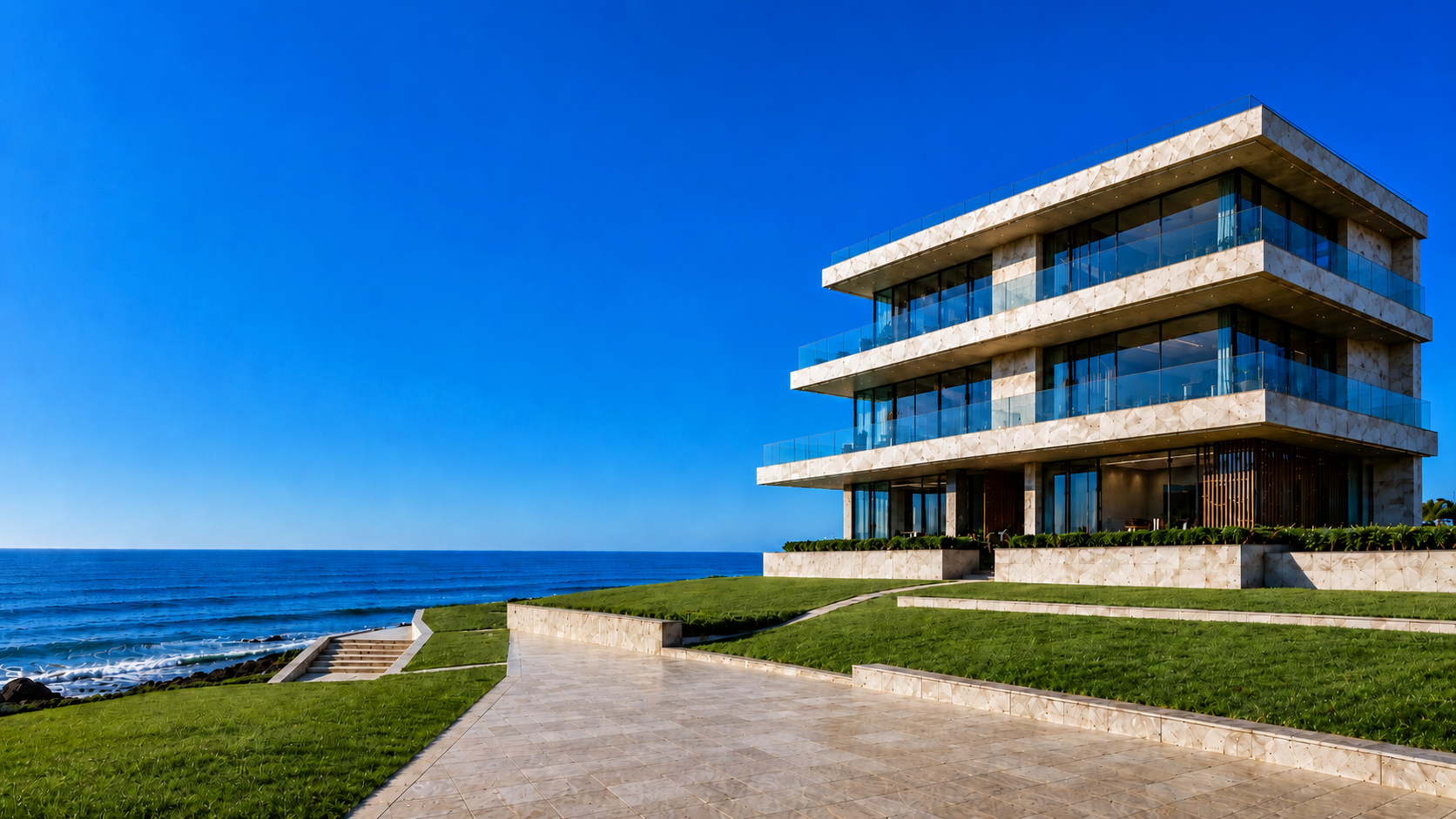
Remedial Waterproofing
Diagnosis and repair of failed waterproofing across Sydney — with specialist experience protecting coastal Northern Beaches buildings from water ingress.
Built On Experience.
Driven By Quality.


Remedial waterproofing addresses failed or deteriorated waterproofing in existing buildings — not new construction. Whether it's a leaking basement, a failed balcony membrane, water pooling in a planter box, or damp patches appearing on a ceiling below a roof, the underlying cause is almost always a breakdown in the original waterproofing system.
Left untreated, water ingress leads to concrete cancer, timber rot, mould, and costly structural damage — so early diagnosis matters as much as the repair itself.
Signs of Waterproofing Failure
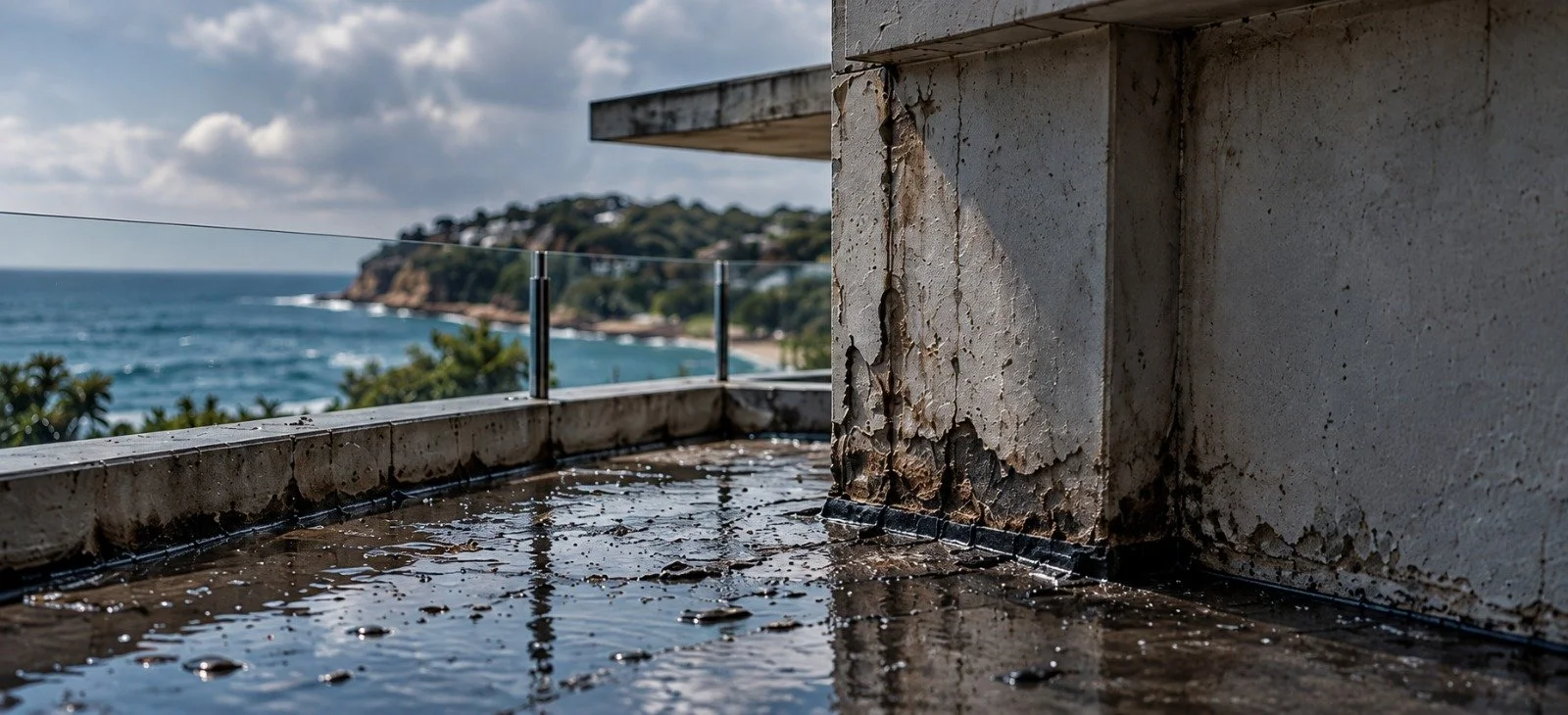
Damp patches, staining or bubbling paint on ceilings and walls below balconies, roofs or wet areas
Musty odours or visible mould growth
Pooling water on balconies, roofs or planter boxes after rain
Efflorescence or rust staining on concrete surfaces
Peeling tiles or hollow-sounding ("drummy") tiled areas
Waterproofing Northern Beaches
Coastal Northern Beaches buildings face accelerated waterproofing failure due to salt-laden air, wind-driven rain, and constant UV exposure — all of which break down membranes faster than inland properties. We're based on the Northern Beaches and have deep experience re-waterproofing balconies, rooftops and basements across Manly, Dee Why, Mona Vale and surrounding suburbs, alongside our Sydney-wide waterproofing work.
Our Waterproofing Process
Leak Diagnosis — identifying the exact source and extent of water ingress, which is often not where the damage appears
System Selection — torch-on, liquid-applied, cementitious, or sheet membrane, chosen based on the application (balcony, roof, basement, wet area)
Cavity flashing
Cavity flashing repairs address failed, missing or poorly detailed flashings within external wall systems that allow water to enter the building. Remedial works may include installing or replacing cavity flashings, DPCs and associated weep holes to improve drainage, manage moisture and protect internal areas from ongoing water ingress.
Damp Proof Course.
It is a moisture barrier installed in walls to stop water or rising damp travelling through masonry or concrete. In remedial work, it’s often used together with cavity flashings and weep holes to direct water out of the wall cavity instead of letting it enter the building.
For example, in a brick cavity wall, the DPC or flashing can sit above openings, slab edges or at the base of the wall so any water inside the cavity drains back outside.
Warranty — every system installed is backed by written warranty
Where We Waterproof
Balconies · Rooftops · Basements · Planter boxes · Retaining walls · Wet areas (bathrooms, laundries)
Compliance & Standards
All waterproofing work is carried out to AS 4654.1/4654.2 (external) and AS 3740 (internal wet areas), with documentation provided for strata and building compliance records where required.
Remedial Waterproofing FAQ
-
Persistent leaks, staining below the area, or visible membrane cracking/blistering are the clearest signs. A site inspection can confirm the extent before any work begins.
-
A single balcony or wet area typically takes a few days to a week; larger roof or basement projects may take longer depending on access and extent of failure.
-
Yes — all waterproofing installations are backed by written warranty, alongside our NSW Registered Building Practitioner licensing and insurance.
-
Yes. Remedial waterproofing deals with existing, failed systems in occupied buildings — requiring diagnosis, careful removal, and staged work to minimise disruption, unlike new-build waterproofing done during initial construction.